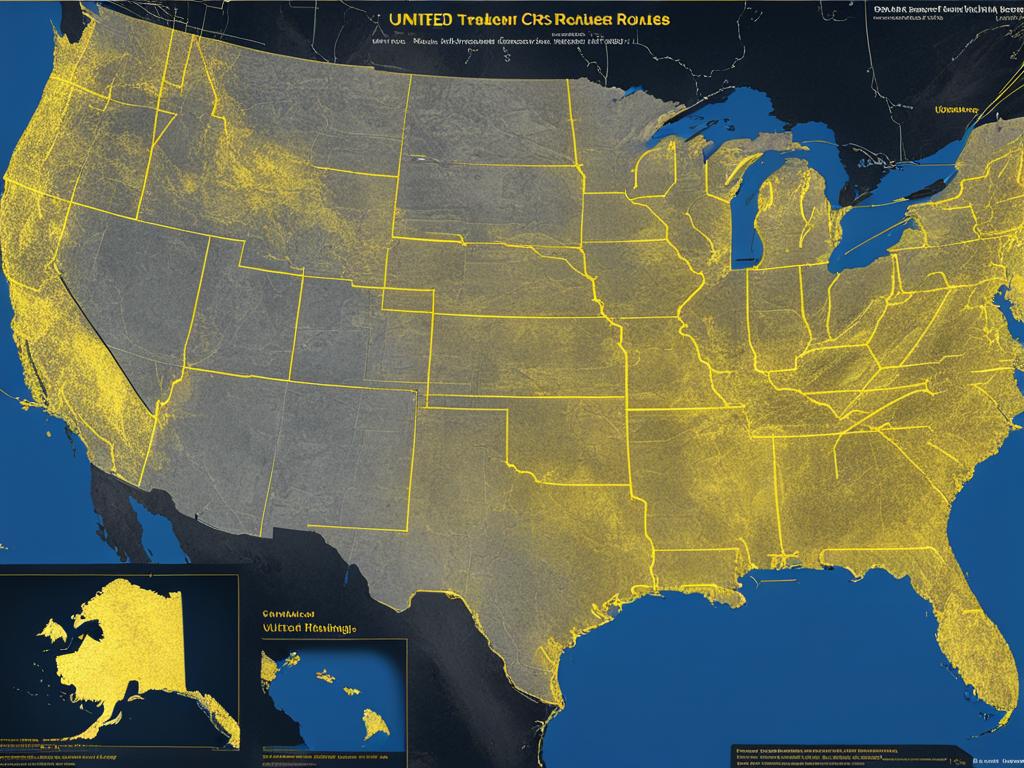
CRST is a leading trucking and logistics company that specializes in providing efficient freight transportation and custom supply chain solutions. With a vast network of routes across the United States, CRST offers a reliable and comprehensive service for businesses in need of seamless transportation.
When it comes to logistics and supply chain management, CRST stands out as a trusted partner that ensures timely delivery and cost-effective solutions. Whether you’re a small business owner or a large corporation, navigating CRST trucking routes can be a crucial aspect of your operations.
In this comprehensive guide, we will delve into the details of navigating CRST trucking routes, offering valuable insights and tips to optimize your logistics operations. From tackling summer traffic to strategically planning your routes, we will cover essential aspects that can contribute to your success in the transportation industry.
Key Takeaways:
- CRST is a trusted trucking and logistics company that provides efficient freight transportation and supply chain solutions.
- Navigating CRST trucking routes is crucial for businesses aiming for seamless transportation and timely delivery.
- This guide will provide valuable insights and tips on optimizing your logistics operations using CRST trucking routes.
- Topics covered include navigating summer traffic, strategic route planning, staying safe and comfortable on the road, the CRST onboarding and training process, and important terminal and contact information.
- By implementing the tips and knowledge shared in this guide, you can enhance your logistics efficiency and improve the overall success of your business.
Tips for Navigating Summer Traffic on CRST Trucking Routes
Summer travel brings increased traffic and congestion, making it essential for truck drivers to plan ahead and prioritize safety on CRST trucking routes. Here are some valuable trucking safety tips to navigate the busy summer season:
- Practice patience: Be prepared for longer travel times and traffic delays. Exercise patience and avoid aggressive driving behaviors, such as tailgating or frequent lane switching.
- Stay alert: Pay close attention to the road and your surroundings. Keep an eye out for sudden lane changes, distracted drivers, and other potential hazards.
- Plan strategically: Use real-time traffic updates and GPS navigation systems to identify alternative routes and avoid areas with heavy congestion. Anticipate peak travel times and try to schedule trips during off-peak hours whenever possible.
- Take breaks: Fatigue can compromise your alertness and reaction time. Take regular breaks to rest, stretch, and rehydrate. Remember, safety is a top priority.
- Keep your distance: Maintain a safe following distance from other vehicles. Increase your following distance in congested areas to allow for sudden stops or unexpected traffic patterns.
- Observe construction zones: Be aware of construction zones along your route. Follow posted speed limits and be cautious of workers and equipment in the area.
Safety First: Stay Cool and Hydrated
Driving in the summer heat can be challenging, but it’s crucial to prioritize your well-being. Take care of yourself with these additional safety tips:
- Stay cool: Ensure your truck’s air conditioning system is functioning properly. Dress in lightweight and breathable clothing to stay comfortable.
- Stay hydrated: Drink plenty of water throughout your journey to avoid dehydration. Keep a water bottle within reach for easy access.
- Watch for motorcycles and bicycles: Be extra vigilant when sharing the road with motorcycles and bicycles. Give them enough space and signal your intentions well in advance.
- Avoid driver fatigue: Get enough rest before hitting the road. Take regular breaks and listen to your body’s signals for fatigue. If drowsiness persists, find a safe place to rest and recharge.
| Trucking Safety Tips | Increase Traffic | Congestion | Summer Travel | Patience |
|---|---|---|---|---|
| Practice patience | Stay alert | Plan strategically | Take breaks | Keep your distance |
| Observe construction zones | Stay cool and hydrated | Watch for motorcycles and bicycles | Avoid driver fatigue |
With these trucking safety tips and a focus on patience, you can navigate summer traffic and ensure a smooth journey on CRST trucking routes. Remember, prioritizing safety benefits not only yourself but also other drivers on the road.
Strategically Planning and Scheduling Your Routes with CRST
When it comes to navigating CRST trucking routes, strategic route planning and scheduling are essential to ensure efficient and timely freight transportation. By employing smart planning techniques, you can avoid traffic congestion and delays, ultimately optimizing your logistics operations. Here are some key strategies to consider:
1. Route Planning
Effective route planning is crucial for maximizing efficiency on CRST trucking routes. Utilize advanced technology and GPS systems to identify the most direct and time-saving routes to your destination. Incorporate factors such as traffic patterns, road conditions, and construction zones into your planning process to select the optimal route.
2. Off-Peak Hours
Traveling during off-peak hours can significantly reduce the amount of traffic you encounter on the road. By avoiding rush hour and peak travel times, you can minimize delays and maximize your productivity. Consult traffic reports to determine the best times for travel and plan your routes accordingly.
3. Alternative Routes
GPS systems and mapping applications often offer alternative route suggestions that can help you circumvent traffic congestion and road closures. Be open to exploring different paths to your destination and utilize these alternative routes when necessary. However, be sure to consider factors such as road suitability for trucks and any potential restrictions.
4. Traffic Reports
Staying informed about current traffic conditions is instrumental in making real-time decisions for route adjustments. Regularly check traffic reports provided by reputable sources to identify any potential areas of concern along your intended path. This information will allow you to proactively select alternate routes or adjust your schedule accordingly.
5. Weather Forecasts
Weather conditions can significantly impact road travel and freight transportation. Monitor weather forecasts to anticipate any adverse conditions such as storms, snowfall, or heavy rainfall along your route. By staying alert to weather changes, you can plan ahead, potentially avoiding hazardous conditions and ensuring the safety of your journey.
By incorporating these strategies into your route planning and scheduling processes, you can optimize your logistics operations and minimize disruptions caused by traffic congestion and unfavorable conditions. Prioritizing efficient freight transportation with CRST through careful planning will positively impact your business’s productivity and customer satisfaction.

Staying Safe and Comfortable on CRST Trucking Routes
Driving a truck during the hot summer months can be physically demanding and pose various safety challenges. To ensure a safe and comfortable journey on CRST trucking routes, it’s essential to follow these important tips:
1. Staying Cool and Hydrated
As temperatures rise, it’s crucial to prioritize staying cool and hydrated while on the road. Keep a supply of drinking water readily available to prevent dehydration. Consider investing in a portable cooler to store cold beverages and snacks. Taking regular breaks in shaded rest areas or using cooling accessories such as a neck cooling towel can also help regulate body temperature.
2. Air Conditioning Maintenance
Maintaining a properly functioning air conditioning system in your truck is essential for staying comfortable in the summer heat. Regularly inspect and service your truck’s air conditioning unit to ensure it is in optimal condition. Clean or replace air filters as needed to maintain airflow and prevent the accumulation of dust and debris.
3. Being Cautious in Construction Zones
Construction zones can pose additional hazards for truck drivers, particularly during the summer months when roadwork is common. Stay alert and stay within the marked lanes. Adhere to reduced speed limits and be mindful of any temporary traffic patterns. Be vigilant for construction workers and their equipment, exercising caution when passing through these zones.
4. Motorcycle and Bicycle Safety
Sharing the road with motorcycles and bicycles presents unique challenges for truck drivers. Increase your awareness of these vulnerable road users, especially in urban areas or popular tourist destinations where they may be more prevalent. Give them extra space when passing and avoid sudden lane changes. Check your blind spots carefully, as motorcycles and bicycles may be more difficult to spot.
5. Driver Fatigue
Driver fatigue is a serious safety concern, particularly during long hauls or extended periods of travel. To combat fatigue, prioritize regular breaks and restful nights of sleep. Avoid driving when feeling drowsy or fatigued. If needed, utilize designated rest areas or truck stops to rejuvenate and recharge. Remember, your well-being and the safety of others on the road depend on your alertness and focus.
Implementing these safety measures will help ensure a smooth and secure journey on CRST trucking routes. By staying cool and hydrated, maintaining your air conditioning, navigating construction zones cautiously, being mindful of motorcycles and bicycles, and managing driver fatigue, you’ll contribute to a safer and more comfortable trucking experience.
CRST Onboarding and Training Process
Aspiring truck drivers looking to kickstart their careers can take advantage of the comprehensive onboarding and training process offered by CRST. This section provides an overview of the CRST CDL school and the various components of the training process, ensuring drivers are well-prepared for the road ahead.
CDL School
CRST understands the importance of a solid foundation in commercial driving. That’s why they offer a top-notch CDL school that equips drivers with the necessary skills and knowledge to navigate the highways safely and efficiently. The CDL school combines classroom education with hands-on training, ensuring a well-rounded learning experience.
The Training Process
Once accepted into the program, drivers undergo a comprehensive training process designed to prepare them for the challenges of the road. This training includes:
- Obtaining a CDL Permit: Aspiring drivers must first obtain a Commercial Driver’s License (CDL) permit before proceeding with the training process. CRST guides and supports drivers throughout this permit acquisition process.
- Drug Testing and Physical Examination: Safety is a top priority at CRST. Drivers are required to undergo drug testing and a physical examination to ensure they meet the necessary health and safety standards.
- License Test Preparation: CRST provides comprehensive preparation for the CDL license test, ensuring drivers are well-prepared to pass the examination with flying colors.
- Orientation Program: As part of the onboarding process, drivers attend an orientation program where they learn about CRST policies, procedures, and expectations. This program sets the foundation for a successful career with CRST.
Compliance and Safety Courses
CRST places great importance on compliance and safety. Drivers participate in compliance and safety courses that cover a range of topics such as hours of service regulations, vehicle inspections, and defensive driving techniques. These courses aim to instill safe driving practices and ensure drivers are up-to-date with industry standards.
Practical On-the-Road Training
CRST recognizes the importance of practical experience on the road. During the training process, drivers receive hands-on, on-the-road training with experienced mentors who provide guidance and real-world insights. This practical training allows drivers to further develop their skills and gain valuable experience in different driving conditions.

By offering a comprehensive onboarding and training process, CRST equips aspiring truck drivers with the necessary skills and knowledge to succeed in the industry. The training process covers essential aspects such as obtaining a CDL permit, passing drug tests and physical examinations, preparing for the license test, and participating in the orientation program. With a focus on compliance, safety courses, and practical on-the-road training, CRST sets drivers up for a rewarding and successful career in trucking.
CRST Terminal and Contact Information
If you are interested in joining CRST, it’s important to know the location of their terminal and how to get in touch with them. The CRST terminal is conveniently located at [insert CRST terminal location].
For any inquiries or to start the onboarding process, you can contact CRST through their dedicated phone line at [insert contact number]. Their professional team will be available to answer any questions you may have and guide you through the onboarding process.
When you are ready to begin your journey with CRST, make sure to familiarize yourself with the onboarding schedule. The schedule will provide you with all the necessary information about the training program and orientation. It is important to arrive prepared and on time for your scheduled onboarding session.
Before your first day of training, ensure that you have all the required documents in order to avoid any delays or complications. These documents may include your driver’s license, social security card, medical certificate, and any other documentation specified by CRST. Having the necessary documents ready will facilitate a smooth onboarding process and help you get started on the right foot.
FAQ
What services does CRST offer?
CRST is a trucking and logistics company that offers efficient freight transportation and custom supply chain solutions. They provide truckload shipping, LTL shipping, freight forwarding, and logistics management services.
How can I navigate CRST trucking routes during the busy summer season?
To navigate CRST trucking routes during the busy summer season, it is important to plan and schedule your routes strategically. This may involve traveling during off-peak hours, avoiding popular tourist destinations, or using alternative routes suggested by GPS. Keeping an eye on traffic reports and weather forecasts can also help you make informed decisions and optimize your route planning for efficient freight transportation.
What safety tips should I follow when driving on CRST trucking routes during the summer?
When driving on CRST trucking routes during the summer, it is important to exercise caution and follow these safety tips: be patient, stay alert, plan your routes strategically, stay cool and hydrated, maintain your truck’s air conditioning system, be cautious in construction zones, and watch out for motorcycles and bicycles. Additionally, prioritize rest and avoid driver fatigue to ensure safe driving.
Does CRST offer training for truck drivers?
Yes, CRST offers an onboarding and training process for aspiring truck drivers. Their training program includes obtaining a CDL permit, passing drug tests and physical examinations, preparing for the license test, and participating in the orientation program. Compliance and safety courses, as well as practical on-the-road training, are also part of the training process.
Where is the CRST terminal located and how can I contact them?
The CRST terminal is located at [insert location]. For contact information, you can reach out to [insert contact details]. When joining CRST, you will be provided with an onboarding schedule that includes the required documents and what to bring on the first day of training to ensure a smooth onboarding process.


Leave a Reply