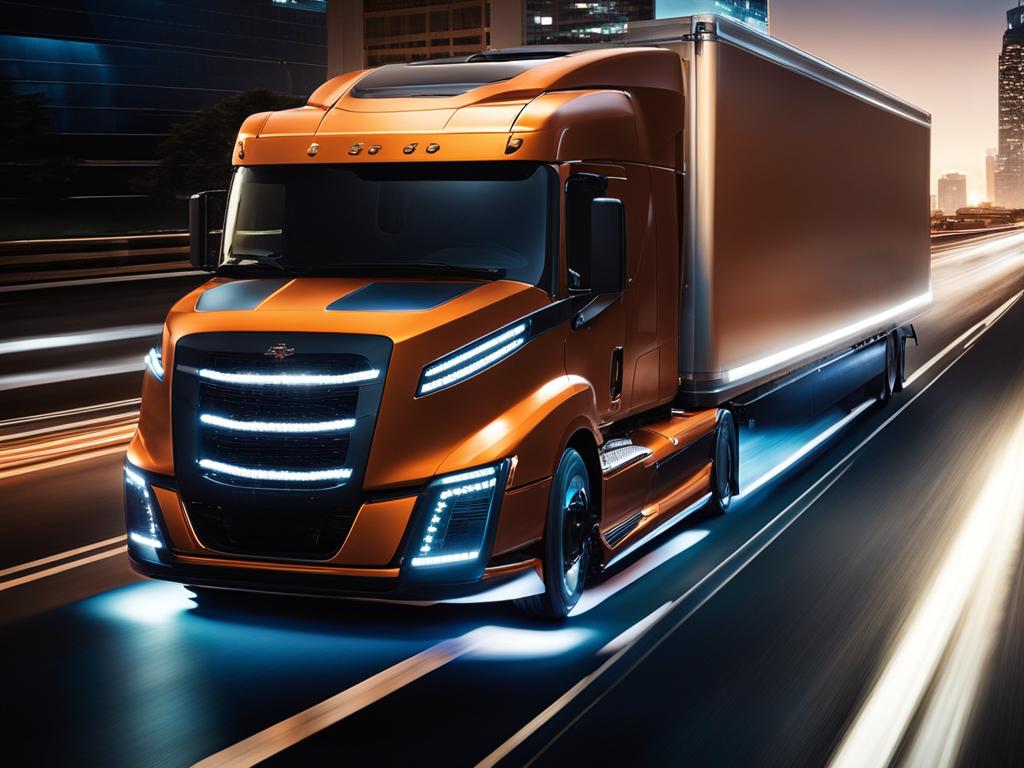
Schneider National is revolutionizing the trucking industry with its innovative fleet technology. Through their commitment to sustainability and partnerships with major brands, Schneider is paving the way for a greener and more efficient future in transportation and logistics.
One of Schneider’s notable achievements is the successful deployment of their battery electric vehicle (BEV) fleet, which has already hauled over 1 million zero emission miles of customer freight. This fleet, consisting of nearly 100 Freightliner eCascadias, is a significant step towards reducing per-mile emissions and achieving Schneider’s goal of reducing emissions by 7.5% by 2025. They have also established a charging depot in Southern California, strategically located to support the electric truck shipments.
Partnering with major brands like Goodyear and Frito-Lay, Schneider is leading the way in the adoption of electric trucks. Their electric fleet has already avoided approximately 3.3 million pounds of carbon dioxide emissions, equivalent to removing over 330 gas-powered vehicles from the road for a year. With a focus on sustainability and innovation, Schneider aims to not only reduce its environmental footprint but also provide efficient and reliable service to its customers.
The successful deployment of 50 electric trucks at their California depot showcases the importance of electric truck deployments in the industry. It demonstrates the feasibility of electrifying a large fleet and highlights the significance of analyzing routes, loads, and operational requirements to ensure seamless integration of electric trucks into daily operations. This milestone is made possible by a dedicated project team and collaboration across different areas of expertise.
In addition to these accomplishments, Schneider recognizes the power of partnerships in driving innovation in trucking technology. Collaborating with state and local agencies, utilities, construction management, and manufacturers has been instrumental in their electric truck deployment. Schneider has also deployed Platform Science, an enterprise IoT telematics platform, to integrate new applications and services into their operations. The emergence of 5G networks is expected to further enhance visibility and operational efficiency in the trucking industry.
With the deployment of Platform Science, Schneider is unlocking the potential of IoT telematics to improve the driver experience and enhance fleet operations. This comprehensive solution includes a Connected Vehicle Device (CVD) for data, a web portal for fleet managers, and mobile devices for drivers. By replacing legacy telematics solutions, Schneider can leverage data and deploy applications that enhance efficiency and productivity. Their partnership with Platform Science ensures they stay at the forefront of technology and can adapt to the evolving needs of the industry.
Looking towards the future, advancements and innovations continue to shape the trucking industry. The expected development of 5G networks will enable the implementation of massive IoT, robotics, AI-based tools, and real-time tracking. Schneider and other companies are actively embracing these advancements, driving efficiency, reducing emissions, and meeting the evolving needs of the transportation and logistics sector.
As Schneider Trucking’s fleet technology continues to shape the future of the industry, it is clear that their commitment to innovation and sustainability is leading the way for a greener, more efficient transportation system.
Key Takeaways:
- Schneider National’s BEV fleet has hauled over 1 million zero emission miles, reducing per-mile emissions and working towards their goal of reducing emissions by 7.5% by 2025.
- Partnerships with major brands like Goodyear and Frito-Lay have helped Schneider in their transition to electric trucks, avoiding approximately 3.3 million pounds of carbon dioxide emissions.
- The deployment of electric trucks at Schneider’s California depot demonstrates the feasibility of electrifying a large fleet and the importance of analyzing operational requirements.
- Partnerships with stakeholders such as state and local agencies, utilities, and manufacturers have played a crucial role in Schneider’s deployment of electric trucks.
- The deployment of Platform Science’s IoT telematics platform has improved the driver experience and enhanced fleet operations, enabling Schneider to stay at the forefront of technology.
Schneider’s Commitment to Sustainability and Innovation
Schneider National is dedicated to sustainability and innovation in the trucking industry. The company firmly believes in a future where clean technology, such as electric trucks, can revolutionize the way goods are transported, while significantly reducing carbon dioxide emissions and environmental footprint. By embracing innovative solutions, Schneider aims to lead the industry towards a more sustainable and efficient future.
One of the remarkable achievements of Schneider’s commitment to sustainability is the successful deployment of their electric fleet, which has already avoided approximately 3.3 million pounds of carbon dioxide emissions. This reduction in emissions is equivalent to removing over 330 gas-powered vehicles from the road for a year. By transitioning to electric trucks, Schneider is actively contributing to the goal of reducing greenhouse gas emissions and mitigating the effects of climate change.
Schneider’s dedication to sustainability is not just limited to reducing carbon dioxide emissions. The company also focuses on minimizing its overall environmental footprint. Through continuous improvement efforts, Schneider aims to optimize resource usage and adopt environmentally friendly practices throughout its operations.
Benefits of Schneider’s Electric Fleet:
- Significant reduction in carbon dioxide emissions
- Improved air quality and reduced pollution
- Lower dependence on fossil fuels
- Enhanced energy efficiency
- Reduced noise pollution
By prioritizing sustainability and innovation, Schneider National is setting a positive example for the entire trucking industry. Through their commitment to electric trucks and other clean technologies, Schneider is leading the charge towards a more eco-friendly and sustainable future.
| Environmental Impact | Statistics |
|---|---|
| Total Carbon Dioxide Emissions Avoided | Approximately 3.3 million pounds |
| Equivalent to Removing Gas-Powered Vehicles from the Road | Over 330 vehicles for a year |
The Importance of Electric Truck Deployments
Electric trucks are revolutionizing the transportation industry, and Schneider National’s deployment of 50 electric trucks at their California depot is a significant milestone. This deployment, one of the largest in the industry, showcases the feasibility of electrifying a large fleet and sets an example for others to follow.
When transitioning to electric trucks, analyzing routes, loads, and operational requirements is crucial. Schneider recognizes the importance of understanding the specific needs and challenges of their fleet to ensure a seamless transition. By carefully considering operational requirements, such as charging times and optimizing routes, Schneider is able to maintain operational efficiency while advancing sustainability goals.
One approach Schneider employs is slip-seating, which maximizes charging times while minimizing downtime. This strategy allows for optimized use of charging infrastructure and takes full advantage of managed charging benefits. This innovative solution enables Schneider to meet the demands of their operations and ensure a smooth transition to electric trucks.
The success of Schneider’s electric truck deployment can be attributed to a strong project team and collaboration across various areas of expertise. By involving professionals from different backgrounds, Schneider can draw upon a wide range of knowledge and experience to tackle the operational challenges associated with electrifying a fleet.
Overall, the deployment of electric trucks at Schneider’s California depot demonstrates the potential of fleet electrification and emphasizes the importance of addressing operational requirements to successfully integrate electric trucks into the transportation industry.

In the next section, we will explore the invaluable partnerships driving innovation in trucking technology and the role they play in shaping the future of the industry.
Partnerships Driving Innovation in Trucking Technology
Schneider’s commitment to innovative fleet technology in the trucking industry is strengthened through strategic partnerships with various stakeholders. These partnerships have played a crucial role in Schneider’s successful deployment of electric trucks and the integration of cutting-edge technology solutions.
External partners, including state and local agencies, utilities, construction management firms, and manufacturers, have joined forces with Schneider, combining their expertise to drive innovation and shape the future of trucking. These collaborations have led to advancements in sustainability, operational efficiency, and overall industry transformation.
One key partnership that has contributed significantly to Schneider’s technological advancements is with Platform Science, an enterprise Internet of Things (IoT) telematics platform. The deployment of Platform Science provides Schneider with a powerful tool for integrating new applications and services that enhance operational visibility and efficiency.
Furthermore, with the imminent arrival of 5G cellular networks, the trucking industry is poised for even greater advancements in technology. The capabilities of 5G networks, such as increased transfer speeds, reduced latency, and improved device density, will enable the seamless integration of massive IoT, robotics, AI-based tools, and real-time tracking.
These partnerships and the evolution of technology solutions, with the support of 5G networks, are driving a new era of innovation in the trucking industry. By harnessing the power of collaboration and embracing technological advancements, Schneider is at the forefront of transforming the way goods are transported and reshaping the future of the trucking industry.
The Benefits of Platform Science in Trucking
Schneider has deployed Platform Science, an IoT telematics platform, to enhance the driver experience and optimize fleet operations. This innovative solution leverages cutting-edge technology to revolutionize the way the trucking industry operates and manages its fleets. By integrating IoT telematics, Platform Science empowers Schneider to unlock the true potential of data, enabling smarter decision-making and streamlined operations.
The Platform Science solution comprises several components that work seamlessly together to deliver comprehensive fleet management capabilities. At the core of the system is the Connected Vehicle Device (CVD), which collects and transmits real-time data from the vehicles. With this data, fleet managers gain valuable insights into vehicle performance, driver behavior, fuel consumption, and more, allowing them to make data-driven decisions for improved efficiency and cost savings.
The web portal provided by Platform Science offers fleet managers a user-friendly interface to access and analyze the collected data. They can monitor vehicle locations, track deliveries in real-time, and proactively manage maintenance and repairs. This centralized platform simplifies fleet management, enabling better coordination, communication, and optimization of resources.
But it’s not just fleet managers who benefit from Platform Science. The solution also includes mobile devices for drivers, giving them real-time access to crucial information about their vehicles and deliveries. Drivers can use these devices to receive important updates, navigate efficiently, and report any issues or incidents instantly. This connectivity improves driver experience, reduces downtime, and enhances overall productivity.
The Impact on Driver Experience
With Platform Science, drivers have access to a wealth of information and tools that make their jobs easier and more efficient. They can view their routes, check for potential congestion or road closures, and receive turn-by-turn navigation guidance, ensuring accurate and timely deliveries. Moreover, the platform enables drivers to communicate directly with fleet managers, report accidents or breakdowns, and even receive performance-based incentives.
Beyond the immediate benefits for drivers and fleet managers, the partnership between Schneider and Platform Science has far-reaching implications for the trucking industry as a whole. By embracing IoT telematics and cutting-edge technology, companies like Schneider are driving the industry forward and setting new standards for operational efficiency and sustainability.

The image above showcases the power and potential of Platform Science’s IoT telematics platform in revolutionizing the trucking industry. With real-time data and advanced analytics, fleet managers can optimize routes, minimize fuel consumption, and reduce emissions, contributing to a greener and more sustainable future.
The partnership with Platform Science positions Schneider at the forefront of fleet management technology, providing a competitive edge in an increasingly digital and connected world. By integrating IoT telematics, Schneider can future-proof its operations and adapt to emerging trends and technologies, ensuring the continued success and growth of the company.
In the next section, we’ll explore the future of the trucking industry and the advancements and innovations that promise to shape its trajectory.
The Future of Trucking: Advancements and Innovations
The trucking industry is experiencing a period of rapid evolution, driven by technological advancements and innovations. One significant development that holds immense potential is the expected development of 5G networks. With 5G, the trucking industry can harness increased transfer speeds, reduced latency, and improved device density. These advancements will pave the way for the implementation of massive IoT, robotics, AI-based tools, and real-time tracking, revolutionizing the fundamental economics of the industry.
Companies like Schneider are at the forefront of embracing these advancements to drive operational efficiency, lower emissions, and meet the evolving needs of the transportation and logistics sector. Robotics and AI-based tools are enhancing productivity and optimizing various processes within the trucking industry. From automated loading and unloading to predictive maintenance, these technologies are empowering companies to streamline operations and deliver exceptional service.
Real-time tracking is another game-changing capability that is transforming the trucking industry. With the ability to monitor vehicles, shipments, and drivers in real-time, companies can gain valuable insights into their operations, improve supply chain visibility, and enhance customer satisfaction. Real-time tracking allows for proactive decision-making, enabling companies like Schneider to respond swiftly to any unforeseen circumstances, optimize routes, and ensure timely delivery.
As the trucking industry continues to evolve, advancements in technology will drive further innovation. With the impending development of 5G networks, robotics, AI-based tools, and real-time tracking will become even more pervasive, reshaping the way goods are transported and revolutionizing the trucking industry as a whole. Schneider and other forward-thinking companies are embracing these advancements, harnessing their power to drive efficiency, reduce emissions, and meet the evolving demands of the transportation and logistics sector.
FAQ
What is Schneider National’s goal regarding emissions reduction?
Schneider aims to reduce emissions by 7.5% by 2025.
How many zero emission miles has Schneider’s electric truck fleet hauled?
Schneider’s electric truck fleet has hauled over 1 million zero emission miles of customer freight.
How many electric trucks does Schneider have in its fleet?
Schneider’s electric truck fleet consists of nearly 100 Freightliner eCascadias.
Where is Schneider’s charging depot located?
Schneider’s charging depot is located in Southern California.
How many pounds of carbon dioxide emissions have Schneider’s electric fleet avoided?
Schneider’s electric fleet has avoided approximately 3.3 million pounds of carbon dioxide emissions.
Who are some of Schneider’s partners in electric truck shipments?
Schneider has partnered with major brands like Goodyear and Frito-Lay for electric truck shipments.
What is slip-seating and how does Schneider use it to optimize charging times?
Slip-seating is a practice where drivers rotate shifts in a truck. Schneider uses slip-seating to optimize charging times for their electric trucks.
What role do external partners play in Schneider’s deployment of electric trucks?
External partners, including state and local agencies, utilities, construction management, and manufacturers, have played a crucial role in Schneider’s deployment of electric trucks.
What is Platform Science and how does it benefit Schneider’s fleet operations?
Platform Science is an IoT telematics platform that improves the driver experience and enhances fleet operations. It allows for the integration of new applications and services, improving efficiency and productivity.
What are some of the expected benefits of 5G networks in the trucking industry?
The expected benefits of 5G networks in the trucking industry include increased transfer speeds, reduced latency, and improved device density, enabling the implementation of massive IoT, robotics, AI-based tools, and real-time tracking.
Source Links
- https://www.thetrucker.com/trucking-news/equipment-tech/schneider-national-hits-1-million-miles-with-its-electric-fleet
- https://blogs.edf.org/energyexchange/2023/06/29/why-schneiders-deployment-of-50-electric-big-rigs-gives-me-hope-for-the-future-of-trucking/
- https://www.fleetowner.com/technology/telematics/article/21704242/schneider-rolls-out-platform-sciences-open-iot-telematics


Leave a Reply