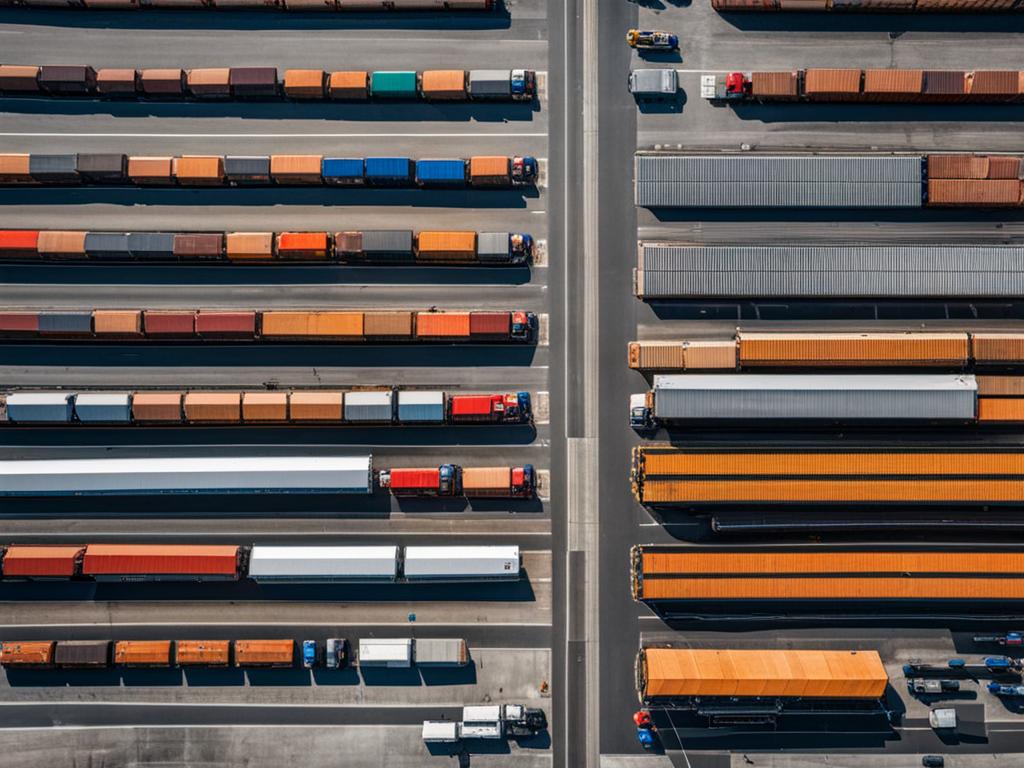
Properly optimizing logistics operations is crucial for businesses to improve profit margins, customer satisfaction, and scalability. In today’s competitive market, efficient logistics solutions are essential to stay ahead of the competition and meet the growing demands of customers.
Flock Freight offers innovative freight optimization services that can significantly enhance supply chain efficiency. By leveraging advanced technology and industry expertise, Flock Freight streamlines logistics processes, reduces costs, and improves overall operational efficiency.
With Flock Freight, businesses can benefit from:
- Streamlined logistics processes, ensuring timely delivery of goods
- Reduced transportation costs through optimized routes and load consolidation
- Enhanced supply chain visibility, providing real-time updates on shipments
- Improved customer satisfaction through reliable and efficient delivery
Key Takeaways
- Flock Freight offers efficient logistics solutions that enhance supply chain efficiency.
- By leveraging advanced technology and industry expertise, Flock Freight streamlines logistics processes and reduces costs.
- With Flock Freight, businesses can benefit from streamlined logistics processes, reduced transportation costs, enhanced supply chain visibility, and improved customer satisfaction.
Understanding the Importance of Inbound Logistics
Inbound logistics is a critical aspect of supply chain management that ensures the smooth flow of goods from suppliers to businesses. It plays a vital role in facilitating a timely and reliable supply of raw materials and goods, optimizing inventory management, reducing costs, improving customer satisfaction, and enhancing overall supply chain performance.
The inbound logistics process involves various activities, such as communicating requirements to suppliers, coordinating transportation, tracking shipments, unloading and handling goods, performing quality checks, and managing storage. Each step is essential for maintaining an efficient and effective supply chain.
Designing an effective network for inbound logistics requires strategic decision-making and a thorough understanding of the business’s needs. It involves identifying dependable suppliers, evaluating transportation modes based on cost and reliability, analyzing shipping routes, and fostering strong partnerships. By carefully considering these factors, businesses can ensure a seamless and optimized flow of incoming goods.
The Challenges in Inbound Logistics
- Capacity Constraints: Limited transportation and storage resources can lead to inefficiencies and delays in the inbound logistics process.
- Transportation Delays: Factors like traffic congestion, adverse weather conditions, or labor strikes can significantly impact the timely delivery of goods.
- Quality Control Issues: Ensuring product quality and regulatory compliance is crucial in inbound logistics to maintain customer satisfaction and prevent costly returns.
- Lack of Real-time Visibility: Limited visibility into inbound shipments can hinder effective planning and response to potential issues.
Solutions for Effective Inbound Logistics
To address these challenges and maximize the benefits of inbound logistics, businesses can implement various solutions:
- Implement Freight Management Systems: Using advanced technology and systems can streamline processes, improve communication, and provide real-time visibility into inbound shipments.
- Collaborative Planning and Coordination: Establishing strong partnerships and clear communication channels with suppliers can facilitate better coordination, reduce delays, and ensure timely deliveries.
- Proactive Risk Management: Developing contingency plans, diversifying suppliers and transportation modes, and staying updated on industry trends can help mitigate risks and ensure a reliable supply chain.
- Technology Adoption: Embracing digital solutions, such as automation, data analytics, and real-time tracking systems, can enhance visibility, optimize processes, and improve decision-making.
By understanding the importance of inbound logistics and implementing the right strategies and solutions, businesses can optimize their supply chains, reduce costs, improve customer satisfaction, and enhance overall performance.

Network Design for Inbound Logistics
Designing an efficient inbound logistics network involves strategic decision-making and meticulous planning. The network design plays a crucial role in optimizing the flow of incoming goods, enhancing coordination between suppliers and businesses, ensuring timely deliveries, reducing lead times, and ultimately increasing customer satisfaction. To achieve these goals, several key factors must be considered:
- Identifying dependable suppliers: Establishing strong partnerships with reliable suppliers is essential for a smooth inbound logistics process. Dependable suppliers ensure the timely delivery of high-quality goods, reducing the risk of delays and disruptions.
- Evaluating transportation modes: Choosing the appropriate transportation modes based on cost and reliability is vital in network design. This involves analyzing different options, such as road, rail, air, or sea transportation, to determine the most efficient and cost-effective mode for inbound shipments.
- Analyzing shipping routes: Assessing shipping routes helps identify the optimal paths for transporting goods from suppliers to warehouses. This analysis considers factors like distance, traffic patterns, and potential bottlenecks to ensure efficient and timely deliveries.
- Fostering strong partnerships: Collaborating closely with suppliers, carriers, and other stakeholders in the inbound logistics network is essential for success. Building strong relationships fosters effective communication, promotes transparency, and facilitates problem-solving when issues arise.
By strategically planning the arrangement of suppliers, warehouses, and transportation routes, businesses can optimize their inbound logistics process. This includes minimizing holding costs associated with excess inventory, preventing stockouts, and ensuring a steady flow of goods to meet customer demands.
Efficient network design is also critical for effective inventory management, as it enables businesses to streamline their stock levels and prevent unnecessary holding costs. By aligning the inbound logistics network with inventory management strategies, businesses can strike a balance between supply and demand, ensuring adequate stock availability while minimizing storage expenses.
Visual representation plays a crucial role in understanding network design for inbound logistics. The following table presents a simplified example:
| Supplier | Transportation Mode | Shipping Route |
|---|---|---|
| Supplier A | Rail | Route 1 |
| Supplier B | Truck | Route 2 |
| Supplier C | Sea | Route 3 |
This simplified table illustrates how different suppliers utilize various transportation modes and shipping routes within the inbound logistics network. It highlights the importance of coordinating these elements to ensure efficient and reliable inbound shipments.
An effective network design for inbound logistics is a strategic asset for businesses, providing them with a competitive advantage by optimizing the flow of goods, reducing costs, and enhancing customer satisfaction.

Challenges and Solutions for Inbound Logistics
Managing inbound logistics comes with various challenges that can hinder efficient supply chain operations. These challenges include capacity constraints, transportation delays, quality control issues, and a lack of real-time visibility. Businesses often face fluctuating customer demands and limited transportation and storage resources, leading to inefficiencies and delays in the inbound logistics process.
Transportation delays can arise due to factors such as traffic congestion, adverse weather conditions, or labor strikes, disrupting the timely delivery of goods. Quality control is another critical challenge in inbound logistics, as businesses need to ensure that products meet their defined standards and regulatory compliance.
Real-time visibility is crucial for effective inbound logistics planning and response. Limited visibility into inbound shipments can hinder proactive decision-making and timely issue resolution. Without real-time information on the location and status of shipments, businesses may face difficulties in optimizing inventory and managing potential disruptions.
To address these challenges, businesses can implement various solutions to improve their inbound logistics processes:
- Freight management systems: Implementing advanced freight management systems helps businesses streamline their inbound logistics processes. These systems automate tasks such as carrier selection, shipment tracking, and documentation, ensuring efficient coordination and visibility.
- Collaborative planning and coordination with suppliers: Building strong partnerships and effective communication channels with suppliers is essential. Collaborative planning allows businesses to align expectations, share data, and optimize transportation routes, minimizing delays and enhancing inbound logistics efficiency.
- Proactive risk management through contingency plans and diversification: Businesses can develop contingency plans to mitigate risks associated with transportation delays and other uncertainties. Diversifying transportation options and suppliers can help businesses maintain a reliable inbound logistics network.
- Quality assurance programs: Implementing robust quality assurance programs ensures that products meet required standards. Regular inspections, testing, and supplier evaluations contribute to maintaining product quality and compliance.
- Technology adoption for real-time visibility and control of goods: Leveraging technologies such as IoT (Internet of Things) sensors, RFID (Radio Frequency Identification), and tracking systems enables businesses to have real-time visibility into inbound shipments. This visibility enhances planning, response, and enables proactive decision-making.
By adopting these solutions, businesses can overcome inbound logistics challenges and optimize their supply chain operations. Streamlining processes, improving visibility, and proactive risk management can lead to enhanced efficiency and cost reduction, ultimately resulting in a more reliable and agile supply chain.
Solutions for Inbound Logistics Challenges
| Challenges | Solutions |
|---|---|
| Capacity constraints | Implement freight management systems for efficient coordination and optimization of resources. |
| Transportation delays | Collaborative planning and coordination with suppliers to optimize transportation routes and ensure timely delivery. |
| Quality control issues | Develop robust quality assurance programs, including inspections, testing, and supplier evaluations. |
| Lack of real-time visibility | Adopt technology solutions such as IoT sensors and tracking systems for real-time visibility into inbound shipments. |
| Other challenges | Implement proactive risk management strategies, including contingency plans and diversification of transportation options. |
Efficiently addressing these challenges leads to enhanced supply chain performance, improved customer satisfaction, and greater competitiveness in the marketplace.
Benefits of Effective Inbound Logistics
Implementing effective inbound logistics practices can bring several benefits to businesses. By optimizing operations and minimizing wasted space in shipments, businesses can achieve reduced transportation costs, improving their bottom line. Enhanced inventory management is another advantage, as businesses can minimize stockouts and carrying costs, leading to better inventory control and cost savings.
Furthermore, effective inbound logistics contributes to enhanced supply chain visibility. By leveraging advanced technologies and real-time tracking, businesses gain valuable insights into their supply chain, enabling them to make informed decisions and respond quickly to changes. This increased visibility enhances overall supply chain performance and helps businesses stay ahead of their competitors.
Streamlined receiving and handling processes are also a vital benefit of effective inbound logistics. By reducing errors, delays, and damaged shipments during the receiving and handling stages, businesses can improve operational efficiency and customer satisfaction. This smoother process ensures that goods are received promptly and in optimal condition, leading to enhanced customer experience and loyalty.
Finally, effective inbound logistics fosters better supplier collaboration. By establishing clear communication channels and sharing data with suppliers, businesses can build stronger relationships and work together to optimize processes. This collaboration leads to improved supplier reliability, reduced lead times, and better overall performance in the supply chain.
Overall, effective inbound logistics provides businesses with various advantages, including reduced transportation costs, improved inventory management, enhanced supply chain visibility, streamlined receiving and handling processes, and better supplier collaboration. These benefits contribute to operational efficiency, cost savings, and improved customer service, making it a crucial element in achieving success in today’s competitive business landscape.
Revolutionize Your Inbound Logistics with Flock Freight
Is your business struggling with inefficient inbound logistics? Don’t let it hinder your growth and profitability. Flock Freight is here to offer comprehensive solutions that optimize inbound logistics and drive operational efficiency.
By leveraging Flock Freight’s advanced freight technology, businesses can achieve significant cost reductions, improve customer satisfaction, and enhance their overall supply chain management. Flock Freight specializes in implementing efficient inbound logistics practices that deliver measurable results.
With Flock Freight, you can reduce transportation costs, improve inventory management, enhance supply chain visibility, streamline receiving and handling processes, and foster better collaboration with your suppliers. These practices guarantee operational efficiency, cost reduction, and ultimately, improved customer satisfaction.
Experience the transformative power of Flock Freight today. Contact us to revolutionize your inbound logistics and unlock the benefits of operational excellence, cost savings, and enhanced customer satisfaction.
FAQ
What is the importance of inbound logistics?
Inbound logistics plays a vital role in ensuring the smooth flow of goods from suppliers to businesses. It helps businesses have a timely and reliable supply of raw materials and goods, optimize inventory management, reduce costs, improve customer satisfaction, and enhance overall supply chain performance.
What is involved in the inbound logistics process?
The inbound logistics process includes communicating requirements to suppliers, coordinating transportation, tracking shipments, unloading and handling goods, performing quality checks, and managing storage.
What are the challenges in inbound logistics and how can they be addressed?
Challenges in inbound logistics include capacity constraints, transportation delays, quality control issues, and lack of real-time visibility. Solutions include implementing freight management systems, collaborative planning and coordination with suppliers, proactive risk management, and technology adoption.
How can inbound logistics network design be optimized?
Designing an efficient inbound logistics network involves identifying dependable suppliers, evaluating transportation modes, analyzing shipping routes, and fostering strong partnerships. This optimization allows for streamlined coordination between suppliers and businesses, timely deliveries, reduced lead times, and increased customer satisfaction.
What are the benefits of effective inbound logistics?
Effective inbound logistics practices can lead to reduced transportation costs, improved inventory management, enhanced supply chain visibility, streamlined receiving and handling processes, and better supplier collaboration. These benefits contribute to operational efficiency, cost savings, and improved customer service.
How can Flock Freight optimize inbound logistics?
Flock Freight offers solutions to optimize inbound logistics by reducing transportation costs, improving inventory management, enhancing supply chain visibility, streamlining receiving and handling processes, and fostering better supplier collaboration. Contact Flock Freight today to revolutionize your inbound logistics and experience the benefits of operational efficiency, cost reduction, and improved customer satisfaction.


Leave a Reply