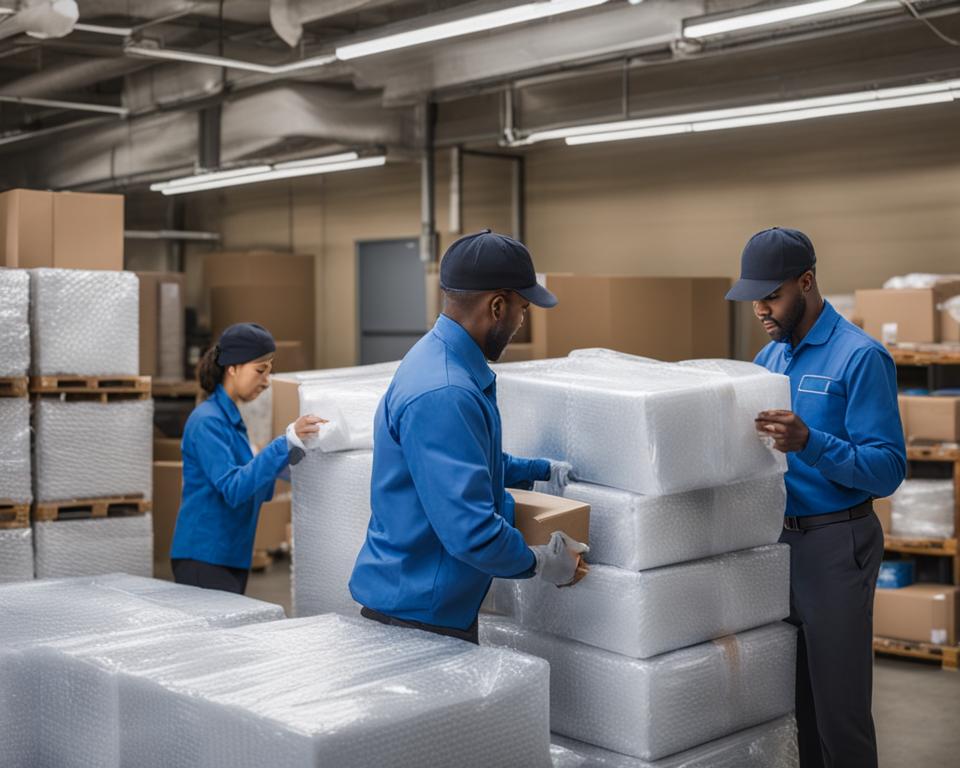
Packing for a move can be a daunting task, but with the right tips and strategies, it can be a stress-free experience. Upack offers expert packing tips to help you streamline your move and ensure everything is organized and undamaged. From creating a packing plan to packing individual items and unpacking in your new home, these tips will make your move hassle-free. Follow these best practices and make your move with Upack a breeze.
Key Takeaways:
- Proper planning and organization are crucial for a stress-free move.
- Invest in quality packing materials to protect your belongings during transit.
- Pack strategically and efficiently to maximize space and make unpacking easier.
- Prepare an essentials box with items you’ll need immediately at your new home.
- Take the opportunity to declutter and get rid of unwanted items before the move.
Create a Plan to Stay Organized
When it comes to packing for a move, staying organized is key to a smooth and stress-free experience. By creating a packing plan and following a schedule, you can ensure that no task is overlooked and that everything is packed efficiently. Here are some tips to help you stay organized throughout the packing process:
1. Divide the Packing Process Into Manageable Tasks
Instead of feeling overwhelmed by the idea of packing up your entire home, break it down into smaller, more manageable tasks. Start by tackling off-season items and storage areas, then move on to individual rooms. By dividing the process, you can focus on one area at a time and make progress without feeling overwhelmed.
2. Set Goals for Each Stage
To stay on track and maintain momentum, set goals for each stage of the packing process. Determine how much you want to accomplish in a day or week and create a timeline accordingly. By setting goals, you can measure progress and stay motivated throughout the packing process.
3. Start Packing Early
Don’t leave packing to the last minute. Start as early as possible, especially with non-essential items and belongings you won’t need until after the move. By starting early, you’ll have more time to properly organize and pack your belongings, reducing stress closer to the moving date.
4. Break it Down into Manageable Tasks
Packing the entire house can feel like an overwhelming task. To make it more manageable, break it down into smaller tasks that can be done in shorter periods of time. For example, pack one room or category of items at a time. This allows you to focus your attention and energy on one area, making the packing process more manageable and reducing the chances of forgetting something.
5. Follow a Packing Timeline
Creating a packing timeline can help you stay focused and ensure that everything gets packed on time. A packing timeline can include specific dates for when different areas of your home should be packed. This way, you can allocate your time and resources effectively, ensuring that each area is packed according to schedule.
By following these tips and creating a comprehensive packing plan, you can stay organized and minimize the stress of packing for your move. Remember, starting early and dividing the process into manageable tasks is key. Stay focused, set goals, and stay on track with your packing schedule to ensure a successful and stress-free move.
| Packing Tasks | Timeline |
|---|---|
| Off-season items and storage areas | 1-2 weeks before move |
| Bedrooms | 1 week before move |
| Kitchen | 3-4 days before move |
| Living Room | 2-3 days before move |
| Bathroom | 1-2 days before move |
| Final items and cleaning | Day before move |
Use Quality Packing Materials
When it comes to moving, using quality packing materials is crucial to ensure the safety and protection of your belongings. Investing in professional packing supplies can provide you with the peace of mind that your items will be well-protected throughout the move. However, if you’re on a budget, there are affordable options available for cheap moving supplies.
To start, reinforce the bottom of every box with high-quality packing tape. This will prevent any potential accidents or damage due to a weak bottom. Additionally, consider using packing paper to create cushioning around fragile items. Make sure to crumple the packing paper to provide a secure barrier against any potential impacts during transportation.
For liquid items such as cleaning supplies or toiletries, it’s essential to prevent any spills. Utilize plastic wrap or even trash bags to wrap around the bottles and containers, providing an extra layer of protection and preventing any leaks or accidents.
Having the right tools on hand is also essential for efficient packing. Be sure to include essentials like box labels, markers, scissors, and, of course, plenty of packing tape. Keep all these items in a dedicated packing basket for easy access and organization.
Ultimately, using quality packing materials will not only protect your belongings but also make the entire moving process smoother and more efficient. Take the time to invest in the necessary supplies, and you’ll have peace of mind knowing that your items are in good hands during the move.
Essential Packing Materials Checklist
| Item | Description |
|---|---|
| Packing Boxes | Durable and sturdy boxes in various sizes to accommodate different items |
| Packing Tape | High-quality tape for securing boxes and reinforcing the bottom |
| Packing Paper | Cushioning material to protect fragile items from damage |
| Plastic Wrap | Used to prevent spills and leaks for liquid items |
| Box Labels | Labels for clearly identifying the contents and destination of each box |
| Markers | Permanent markers for writing on box labels and organizing your belongings |
| Scissors | Sharp scissors for cutting packing materials and opening boxes |
Please note: The table above provides a checklist of essential packing materials for a smooth and organized move.
Pack Strategically and Efficiently
When it comes to packing for your move, strategic and efficient packing techniques can make a significant difference. By employing these techniques, you can maximize space, minimize the number of boxes needed, and make the unpacking process effortless. Here are some essential tips to help you pack strategically and efficiently:
Maximizing Space
To make the most of the available space in your moving boxes, consider the following:
- Pack smaller items inside larger ones, such as placing socks inside shoes or nesting smaller kitchen items.
- Utilize empty spaces, like the insides of shoes or gaps between items, by filling them with unbreakable objects like clothing or stuffed animals.
- Place heavier items at the bottom of the box and lighter items on top to maintain balance.
Labeling and Color Coding Boxes
Labeling and color coding your boxes is a simple yet effective way to stay organized:
- Clearly label each box with its corresponding room to simplify the unpacking process.
- Consider using color-coded labels or stickers to visually categorize boxes based on their contents (e.g., red for kitchen, green for bedroom).
Packing Inventory
Creating a packing inventory will help you keep track of your belongings and ensure nothing gets misplaced:
- Make a list of all the items packed in each box, including a brief description of the contents.
- Assign a unique number or code to each box and record it in your inventory for easy reference.
Packing Tips by Room
Each room in your home may require different packing strategies. Consider the unique characteristics of each room when packing:
- Wrap fragile items carefully and use protective materials like bubble wrap or packing paper.
- Disassemble large furniture pieces to save space and protect them during transport.
- Pack smaller items from drawers or cabinets in sealed bags to keep them organized.
Packing Heavy Items
When packing heavy items, it’s important to ensure the boxes can handle the weight:
- Use smaller boxes for heavy items to prevent them from becoming too cumbersome.
- Securely tape the bottom and sides of the boxes containing heavy items to prevent them from breaking during transportation.
- Consider reinforcing the bottom of the box with an extra layer of tape for added strength.

By following these strategic packing tips, you can make the most of your space, stay organized, and ensure a smooth transition to your new home. Packing efficiently will save you time and effort during the moving process, leaving you more time to settle into your new space.
Prepare Essential Items for Immediate Use
When planning your move, it’s important to consider the essential items that you’ll need immediately upon arriving at your new home. Packing an “open first” box ensures that you have everything you need for your first night and day, without having to search through all your packed belongings.
An essentials box, also known as a first-night box, should contain items that are necessary for your immediate comfort and convenience. Here are some key items to include:
- Toiletries: Pack a small bag with your everyday toiletries, such as toothbrushes, toothpaste, soap, shampoo, and any other personal care items you use regularly.
- Towels: Include a few towels for bathing, hand towels, and washcloths.
- Kitchen items: Bring along some basic kitchen items like disposable plates, cups, and utensils, as well as a few essential cooking tools.
- Blankets: Pack a couple of blankets or sleeping bags for a comfortable night’s sleep.
- Medications: Don’t forget to pack any necessary medications that you or your family members may need.
By ensuring that these essential items are easily accessible, you can settle into your new home smoothly and comfortably, without the stress of searching for basic necessities.
| Item | Reason |
|---|---|
| Toiletries | Personal hygiene and comfort |
| Towels | For bathing and drying |
| Kitchen items | Basic cooking and dining needs |
| Blankets | Comfortable bedding option |
| Medications | Health and well-being |
Get Rid of Unwanted Items
Moving presents an excellent opportunity to downsize and declutter your belongings. Take the time to go through your items and get rid of anything you no longer need or want in your new home. Downsizing allows you to reduce the number of possessions you have, making your move more manageable and efficient.
You can start by sorting your items into categories such as keep, sell, donate, or discard. Consider selling unwanted items that are still in good condition. Online platforms such as eBay, Facebook Marketplace, or local classifieds can help you find potential buyers. Not only can you make some extra cash, but you’ll also reduce transportation costs by eliminating unnecessary items.
If you have items that are no longer useful to you but still in good condition, donating them to charity is a great option. Research local organizations that accept donations and see if they have specific guidelines or items they are currently in need of. Not only will you help others in need, but you’ll also contribute to a more sustainable and circular economy.
By getting rid of unwanted items, you’ll not only create a sense of liberation and clarity but also reduce the amount of stuff you have to pack, transport, and unpack at your new home. It’s a win-win situation that streamlines your move and ensures that you only bring what is necessary and meaningful to your new living space.
Unpacking and Getting Settled
After the move, it’s time to unpack and get settled in your new home. Follow an unpacking checklist to ensure that you stay organized and prioritize the most important items. Start by unpacking essential items and gradually work your way through the rest. Take the time to organize your belongings and arrange furniture in a way that suits your new space. Don’t forget to set up utilities and make your new house feel like home.
Unpacking can often feel overwhelming, but with a well-planned approach, you can make the process smooth and efficient. Here are some essential unpacking tips:
1. Prioritize Essential Items
Begin by unpacking the items you’ll need immediately, such as bedding, toiletries, kitchen essentials, and a few changes of clothes. This will help you settle in comfortably while taking your time with the rest of the unpacking process.
2. Follow an Unpacking Checklist
Having a checklist will keep you on track and ensure you don’t overlook any important items. Create a detailed list of the rooms and categories of items you need to unpack, and mark off each task as you complete it.
3. Organize Belongings by Room
To streamline the unpacking process, organize your belongings by room. Unpack one room at a time, placing items in their designated areas. This will help you keep things organized and ensure that each room feels complete before moving on to the next.
4. Arrange Furniture Thoughtfully
Take the time to arrange your furniture in a way that maximizes space and fits the flow of your new home. Experiment with different layouts to find the most functional and aesthetically pleasing arrangement. Consider the natural light, traffic flow, and focal points of each room.
5. Set Up Utilities
Ensure that your new home is functional by setting up utilities such as electricity, water, gas, and internet. Contact the necessary service providers and schedule installations or transfers ahead of time, so you can start enjoying your new home without any interruptions.
By following these unpacking tips and getting your new home set up efficiently, you’ll be able to settle in quickly and make the most of your new space.
| Unpacking Tips | Setting Up New Home | Unpacking Checklist | Organizing Belongings | Arranging Furniture | Setting Up Utilities |
|---|---|---|---|---|---|
| Prioritize essential items for immediate use. | Create a space that reflects your style and needs. | Follow a checklist to stay organized. | Organize belongings by room for easy access. | Arrange furniture to maximize space and flow. | Set up utilities to ensure a comfortable living environment. |
Additional Tips for a Successful Move
When it comes to a successful move, there are several factors to consider that go beyond just packing. To ensure a smooth and stress-free experience, follow these additional tips:
1. Create a Moving Checklist: Plan ahead by creating a detailed moving checklist. This will help you stay organized and keep track of all the tasks that need to be completed before, during, and after the move. Be sure to include important deadlines, address updates, and any necessary paperwork.
2. Compare Moving Quotes: Before choosing a moving company, compare moving quotes from different providers. This will help you find the best deal and ensure that you get the services you need within your budget.
3. Downsizing Tips: If you’re downsizing to a smaller space, take the opportunity to declutter and get rid of unwanted items. Donate or sell items that you no longer need, as this will reduce transportation costs and make the packing process more manageable.
4. Update Your Address and Transfer Services: Don’t forget to update your address with relevant parties, such as utilities, banks, and government agencies. Transfer necessary services, like internet and cable, to your new address to ensure a smooth transition.
5. Have a Moving-Day Game Plan: Prepare a moving-day game plan to ensure that everything goes according to schedule. This should include details such as the order in which items will be loaded onto the moving truck, who will be responsible for certain tasks, and any special instructions for delicate or valuable items.
6. Relaxing During the Move: Moving can be a stressful time, but it’s important to take breaks and practice self-care. Set aside some time each day to relax and recharge. Whether it’s taking a walk, practicing mindfulness, or enjoying a favorite hobby, taking care of yourself will help make the moving process more enjoyable.
FAQ
What is the first step in packing for a stress-free move?
The first step is to create a packing plan. Divide the packing process into manageable tasks and set goals for each stage. Start with off-season items and storage areas, then work through the rest of the house room by room. Start early and follow a schedule to stay organized and avoid last-minute packing stress.
What type of packing materials should I use?
It is essential to use quality packing materials to protect your belongings during the move. Invest in professional packing supplies for better protection. However, if you are on a budget, there are options for cheap moving supplies available. Make sure to reinforce the bottom of every box with tape and use crushed packing paper as cushioning. Plastic wrap and trash bags can be used to prevent spills for bottles of liquids. Don’t forget to have essential packing tools like tape, box labels, markers, scissors, and more in a packing basket for easy access.
How should I pack strategically and efficiently?
To pack strategically, label each box with its corresponding room and consider using color coding for even better organization. Create a packing inventory to keep track of what’s in each box. Pack heavy items in smaller boxes to avoid weight issues. Utilize drawers and empty spaces by filling them with unbreakable items. By packing strategically and utilizing all available space, you can streamline your move.
What essential items should I set aside for immediate use?
Set aside essential items that you’ll need immediately at your new home. Create an “open first” box containing basic toiletries, towels, a few kitchen items, blankets, and any necessary medications. This box will ensure that you have everything you need for your first night and day in your new home without having to search through all your packed belongings.
What should I do with unwanted items when moving?
Moving presents an excellent opportunity to downsize and declutter your belongings. Take the time to go through your items and get rid of anything you no longer need or want in your new home. Consider selling unwanted items or donating them to reduce transportation costs and make the packing process easier. By minimizing your belongings, you can streamline your move and ensure that you only bring what is necessary and meaningful to your new home.
What should I keep in mind when unpacking and getting settled in my new home?
When unpacking, follow an unpacking checklist to stay organized and prioritize the most important items. Start by unpacking essential items and gradually work your way through the rest. Take the time to organize your belongings and arrange furniture in a way that suits your new space. Don’t forget to set up utilities and make your new house feel like home.
Are there any additional tips for a successful move?
Yes, there are several other factors to consider for a successful move. Plan ahead by creating a moving checklist and comparing moving quotes from different companies. If you’re downsizing, take the opportunity to declutter and get rid of unwanted items. Update your address and transfer services to ensure a smooth transition. Have a moving-day game plan in place and remember to stay relaxed throughout the process. With these additional tips, your move with Upack will be stress-free and efficient.


Leave a Reply